

Introduction: The Silent Drain on Your Life
If you want to reduce screen time, you’re already ahead of most people.The truth is, many people don’t even realize how much time they spend on their screens.
It starts with small habits,checking your phone right after waking up, scrolling during short breaks, watching videos before bed.
These moments feel harmless, but they add up quickly.Before you know it, hours of your day are gone.
Too much screen time doesn’t just waste time,it affects your entire life. You may notice your eyes feeling tired, your sleep getting worse, and your ability to focus slowly decreasing.
Tasks that used to feel easy start taking longer. You feel busy, but not productive.Even worse, you may start feeling disconnected from real life.
Conversations become shorter. Your attention drifts. You’re present physically, but not mentally.
The good news is this:
You don’t need to completely cut off screens to fix this.You just need to learn how to use them with intention.
A Short Story: Scot’s Wake-Up Call
Scot was a 28-year-old freelancer who worked entirely online.His laptop was his main tool, and his phone was always within reach. He used screens for everything,work, communication, entertainment, and even relaxation.
At first, it seemed like the perfect setup.He could work from anywhere, stay connected, and control his time.But slowly, things started to change.
He began noticing that:
His focus didn’t last as long as it used to
His eyes felt strained after long hours
He had trouble sleeping at night
Simple tasks started taking more time
Still, he brushed it off,he told himself it was just part of working online but one evening changed everything.
His younger sister came to visit him. She was excited and full of energy, talking about her day. Scot nodded while scrolling on his phone, barely paying attention.
After a few minutes, she stopped talking and said quietly:“You’re here, but you’re not really here.”That moment hit him deeply.
It wasn’t about work anymore.It was about what he was losing.That night, Scot realized that his screen habits were affecting more than his productivity,they were affecting his life.
The Psychology Behind Screen Overuse

If you’ve ever tried to cut down your screen time and failed, it’s not because you lack discipline.It’s because screens are designed to keep you engaged.
Every time you scroll, like a post, or get a notification, your brain releases dopamine,a chemical that makes you feel good.
Over time, your brain starts craving that feeling.This creates a cycle:
You feel bored or stressed
You check your phone
You get a small reward
You repeat the behavior
That’s why you often pick up your phone without thinking.It’s also why deep work feels harder.
Your brain is used to quick, constant stimulation.The good news is that once you understand this, you can start to take back control.
Why Too Much Screen Time Reduces Productivity
It may feel like being on your device all day means you’re working hard but that’s not always true.too much screen time actually reduces productivity in several ways:
Frequent interruptions:
Notifications and messages break your focus
Task switching:
Jumping between apps drains mental energy
Multitasking:
Doing many things at once lowers quality
Poor breaks:
Scrolling doesn’t refresh your brain
At the end of the day, you may feel exhausted but not accomplished.That’s exactly what Scot experienced.
He wasn’t lazy,he was distracted.
Step to reduce screen time without losing productivityi
Step 1: Know the Difference Between Useful and Useless
Screen Time
Not all screen time is bad.Some of it is necessary and productive.The key is knowing the difference.
Useful screen time: Work, learning, creating
Useless screen time: Endless scrolling, random browsing
Start asking yourself a simple question:👉 “Is this helping me or just filling time?”When Scot asked himself this, he realized a large part of his day was being wasted.
That awareness was the first step to change.
Step 2: Set Simple Boundaries
You don’t need strict rules.Small boundaries can make a big difference.For example:
Don’t check your phone for the first 30 minutes after waking up
Avoid social media during work hours
Stop using screens at least one hour before sleep
These boundaries help protect your focus and energy.
Scot started with just one rule,no social media during work and saw immediate improvement.
Step 3: Replace the Habit Instead of Removing It
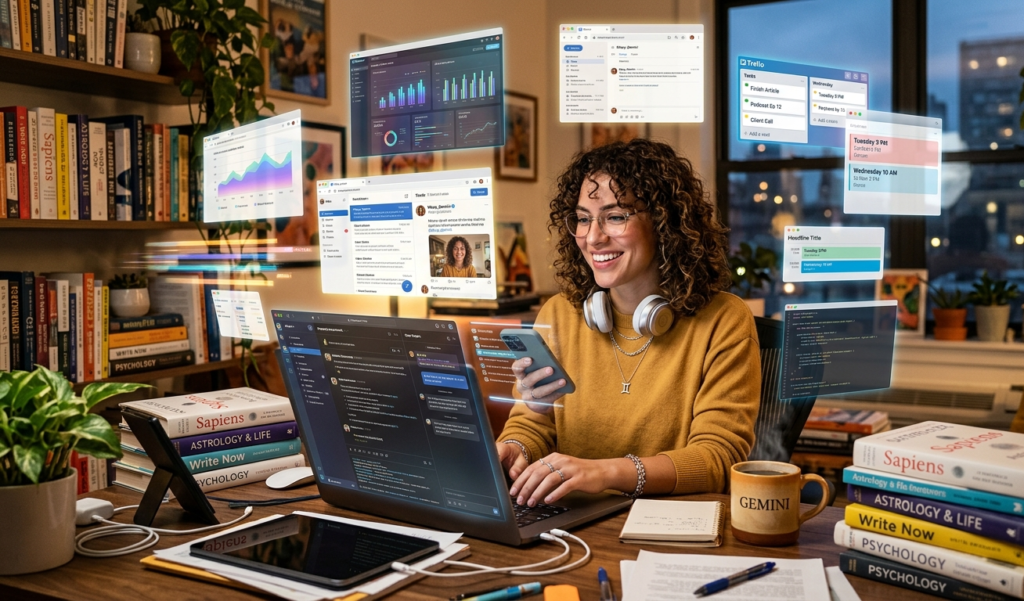
If you simply try to stop using your phone, you’ll get bored and go back to it.That’s why replacement is important.
Try swapping screen time with:
Reading a book
Taking a walk
Writing your thoughts
Talking to someone
Doing light exercise
Scot replaced his nighttime scrolling with reading.
At first, it felt slow. But after a few days, he noticed his mind felt calmer and he slept better.
Step 4: Make Distractions Less Accessible
Right now, distractions are always one tap away.You can change that.
Use tools like:
App blockers
Focus mode
Screen time limits
These tools create a small barrier between you and distraction.That small barrier is often enough to stop mindless scrolling.
Step 5: Use Focus Blocks for Work
Instead of working all day with distractions, try working in blocks.
A simple method:
45–60 minutes of focused work
10–15 minutes break
During your break, avoid screens if possible.
This allows your brain to truly rest.Scot used this method and noticed he completed tasks faster with less stress.
Step 6: Turn Off Unnecessary Notifications
Notifications are one of the biggest distractions.Every ping breaks your concentration.Go through your apps and turn off anything that isn’t essential.
At first, it might feel strange but soon, you’ll notice how much calmer and more focused you feel.
Step 7: Create No-Screen Zones
Your environment plays a big role in your habits.Create areas where screens are not allowed.
For example:No phones in your bedroom
No screens during meals
Screen-free mornings
Scot made his bedroom a no-screen zone and immediately noticed better sleep.
Step 8: Understand Your Triggers
Most of the time, you don’t use your phone for no reason.You use it because of how you feel.
Common triggers include:
Boredom
Stress
Avoidance
The next time you pick up your phone, pause and ask:👉 “Why am I doing this?”That small moment of awareness can help you break the habit.
A Simple Daily Routine to Reduce Screen Time
Morning
Wake up without checking your phone
Plan your day
Work Time
Use focus blocks
Avoid social media
Keep notifications off
Evening
Do something relaxing offline (walk, read)
Night
Avoid screens before bed
Before vs After Reducing Screen Time
Before:
Constant distractions
Low focus
Poor sleep
Feeling busy but unproductive
After:
Better concentration
Faster task completion
Improved sleep
More free time
For tips backed by research, check out this Harvard Health article on the effects of screen time on sleep and productivity
Common Myths About Screen Time
“I need my phone to relax”→ It often overstimulates your brain instead“Multitasking makes me efficient”→ It actually reduces your performance“I’ll miss out if I disconnect”→ You gain clarity and control instead
Common Mistakes to Avoid

Trying to quit screens completely
Not replacing habits
Ignoring small distractions
Using screens as your only form of rest
Action Plan:
Start Today
You don’t need to change everything at once.
Start small:
Identify your biggest distraction
Set one simple boundary
Replace one habitTurn off notifications
Track your screen time
Consistency matters more than perfection.
Consequences of Excessive Screen Time

Spending too much time on screens can affect your mind, body, and life in many ways. Mentally, it can lead to reduced focus and shorter attention spans, making it harder to complete tasks or think creatively.
Constant notifications and multitasking create stress and mental fatigue, leaving you feeling overwhelmed even when you haven’t done much.
Emotionally, excessive screen use can increase anxiety, irritability, and feelings of isolation, as you may replace real-life interactions with virtual ones.
Physically, it can cause eye strain, headaches, poor posture, and even neck or back pain from looking at devices for long periods. Sleep suffers too, because the blue light emitted by screens interferes with your body’s natural sleep cycle.
Over time, these effects can reduce productivity, harm relationships, and impact overall well-being. Learning to reduce screen time is not just about work,it’s about reclaiming your health, focus, and life.
The American Heart Association outlines practical tips for reducing screen time and improving health:
FAQ
Can I still be productive with less screen time?
Yes. In fact, you’ll likely be more productive because your focus improves.
How long before I see results?
Many people notice changes within a few days.
Do I need to delete apps?
Not always. You just need better control over how you use them.
The Transformation
Once you follow this procedures your productivity will improved,you be:
More focus
More free time
Stronger relationships
Higher-quality work
You will still used screens but with intention.That made all the difference.
Final Thoughts:
Take Back Control
Your time is one of your most valuable resources.Every hour spent mindlessly scrolling is time you can’t get back.but you don’t need to disconnect from the digital world completely.
You just need to take control.
Start small:
One habit
One boundary
One decision
When you choose to reduce screen time, you’re choosing:
Better focus
More energy
Clear thinking
Real-life connection
And that’s what truly matters.
Take Control of Your Time
Every minute you spend on mindless scrolling is a minute lost from building the life you want.
You have the power to take control,small changes today can create big results tomorrow.
Set boundaries, replace distractions with meaningful activities, and focus on what truly matters.
Remember Scot’s story: presence, focus, and real connection are priceless.
Reducing screen time isn’t about giving up,it’s about gaining clarity, energy, and freedom.
Take that first step now. Your future self will thank you for reclaiming your time, your focus, and your life.
For more ways to stay focused online, check out our guide on the best hidden productivity tools for Chrome users.

Happy to dive into discussions, share experiences, and pick up new insights along the way.
I enjoy understanding different opinions and contributing whenever I can. Always open to new ideas and building connections.
Here is my website-AutoMisto24
https://automisto24.com.ua/
Thank you for sharing! I completely agree,meaningful discussions and exchanging different perspectives are great ways to learn and grow. I appreciate your openness to new ideas, and I’ll be happy to check out your website as well. Wishing you continued success!