
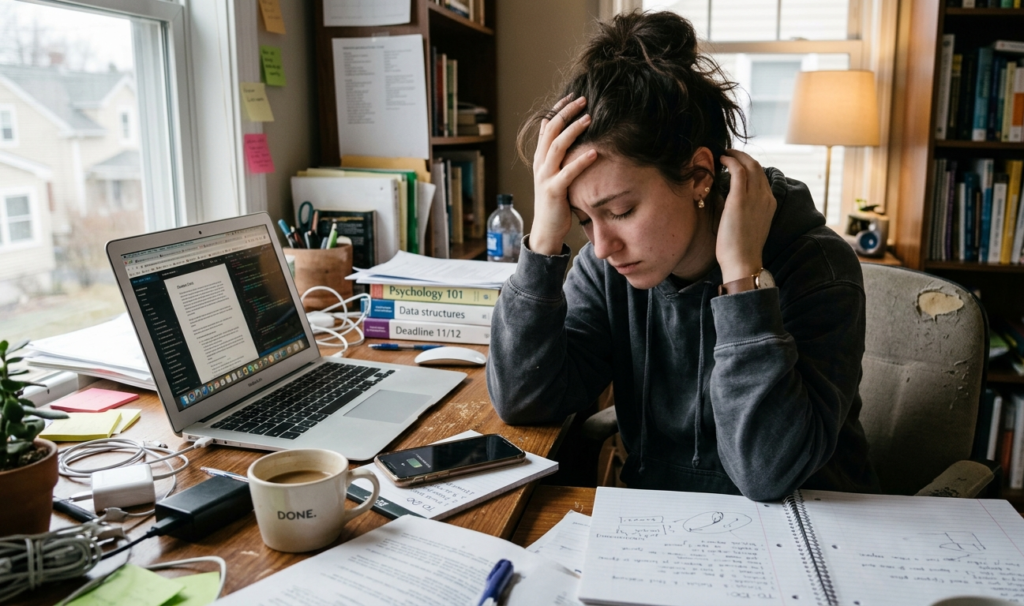
There was a time in my life when I kept telling myself everything was fine because I was still “functioning.” I was answering messages, meeting responsibilities, and going through my daily routine like nothing was wrong. But inside, something felt different.
I would wake up already tired, even after a full night in bed. My thoughts felt scattered, like my mind was carrying too many unfinished conversations at once.
I didn’t recognize it at first, but I was slowly experiencing how stress affects your body and mind, even though I was ignoring all the early signs.
What makes it harder is that how stress affects your body and mind doesn’t always look like a problem in the beginning.
It blends into your lifestyle until exhaustion feels normal and mental noise becomes part of your daily routine. You start thinking you are just busy or not managing time well, when in reality your system is under constant pressure.
Poor lifestyle habits combined with stress can weaken the body over time, and you can learn more about how to support male reproductive health in this article on how to improve sperm count and boost fertility naturally
Physical Fatigue and Body Tension
One of the clearest ways how stress affects your body and mind shows up is through physical fatigue that doesn’t improve with rest.
Your body begins to stay tense even when you are not doing anything demanding. Muscles in your neck, shoulders, or back may feel tight for no clear reason, as if your body is always preparing for something stressful.
Sleep is also affected, and this is where how stress affects your body and mind becomes very noticeable.
You may lie down exhausted but still feel mentally active. Even when you manage to sleep, it often feels light or interrupted, leaving you tired the next morning.
Over time, this creates a cycle of exhaustion that builds up silently.
According to the American Psychological Association, stress can impact both your physical health and emotional well-being over time
Mental Overload and Constant Thinking
Another important part of how stress affects your body and mind is the way it affects your thinking process.
Your brain starts feeling overloaded, making it harder to focus or process simple tasks. You may forget things quickly, lose track of conversations, or struggle to complete tasks without distraction.
If you are already noticing early signs of pressure in your daily life, you can also learn practical methods in this guide on simple ways to reduce stress and anxiety naturally for better mental balance
Overthinking also becomes more frequent. You replay situations, imagine outcomes, and worry about things that haven’t even happened.
This mental noise is a direct result of how stress affects your body and mind, because your brain stays active even when there is nothing urgent happening.
The National Institute of Mental Health explains how stress affects your brain and mood, including anxiety and difficulty concentrating
Emotional Instability and Mood Shifts

Emotionally, how stress affects your body and mind can be seen in sudden mood changes. You may become more sensitive to small issues, reacting faster than usual or feeling irritated without clear reasons.
At other times, you may feel emotionally numb, where nothing feels exciting or meaningful anymore.
This emotional imbalance doesn’t stay consistent. One moment you feel overwhelmed, another moment you feel detached.
Over time, how stress affects your body and mind in this way can make it harder to feel emotionally stable or grounded in your daily life.
Sleep Disruption and Recovery Breakdown
Sleep is one of the first areas where how stress affects your body and mind becomes obvious. Even when your body is tired, your mind may refuse to slow down.
You lie in bed thinking about responsibilities, unfinished tasks, or future worries, which keeps your brain active when it should be resting.
Because of this, sleep becomes shallow and less refreshing. You may wake up multiple times during the night or feel like you never truly recovered.
This lack of proper rest is a major way how stress affects your body and mind, creating a cycle where tiredness increases stress and stress continues to disturb sleep.
Productivity Decline and Daily Struggles
Another effect of how stress affects your body and mind is reduced productivity. Tasks that once felt simple can start to feel overwhelming because your mental energy is already low.
You may begin work but struggle to finish, or keep switching between tasks without completing anything meaningful.
This doesn’t happen because you are lazy or incapable. It happens because how stress affects your body and mind reduces focus, motivation, and mental clarity at the same time.
Most time, this can affect confidence and make daily responsibilities feel heavier than they actually are.
Long-Term Effects on Health and Balance
When stress continues for too long, how stress affects your body and mind becomes more serious. The body stays in a constant state of tension, which can weaken natural recovery and reduce overall energy levels.
You may feel drained more often and less able to recover quickly from daily fatigue.Mentally, prolonged stress can lead to burnout, where motivation and emotional strength feel significantly reduced.
At this stage, even rest may not immediately fix the exhaustion because how stress affects your body and mind has already been active for a long period without proper recovery.
Just as stress can affect your mental stability, relationships also need care and attention, which is further explained in this post on happy couples daily habits relationship tips for emotional connection and stability
Recovery Through Awareness and Small Changes

The first step in managing how stress affects your body and mind is awareness. Many people live with stress for so long that they stop noticing its impact.
Once you recognize it, even small changes can begin to help restore balance.Simple habits like taking breaks, sleeping better, reducing unnecessary pressure, and creating quiet moments during the day can make a difference over time.
When you understand how stress affects your body and mind, you start protecting your energy instead of constantly draining it.
The Early Signs You Should Never Ignore
Most people don’t realize how early stress affects your body and mind because the first signs often feel harmless.
You might notice slight fatigue, occasional headaches, or a restless mind at night, but you brush it off as part of a busy life.
The truth is, these small signals are your body’s way of communicating that something is off balance. Ignoring them doesn’t make them disappear,it only allows them to grow stronger over time.
When you begin to pay attention early, you give yourself a better chance to respond before the effects become overwhelming.
Why Your Body Feels Tired Even After Rest
One confusing part of how stress affects your body and mind is the kind of tiredness that sleep doesn’t fix.
You may spend hours in bed but still wake up feeling drained, as if your body never truly recovered. This happens because stress keeps your system slightly active even during rest, preventing deep relaxation.
Over time, this leads to a constant energy deficit where your body feels heavy and your motivation drops. It’s not just about how long you sleep, but how well your body is able to recover during that time.
The Connection Between Stress and Overthinking
A major way stress affects your body and mind is through constant overthinking that becomes difficult to control.
Your mind keeps replaying past events, analyzing conversations, and worrying about future outcomes, even when there is no immediate problem to solve.
This mental activity can feel exhausting because your brain rarely gets a break. The more you overthink, the more drained you feel, creating a cycle where your mind stays active while your energy continues to drop.
How Stress Gradually Reduces Your Motivation
Another important effect of how stress affects your body and mind is the slow decline in motivation.
Tasks that once felt simple and easy may begin to feel overwhelming, not because they have changed, but because your mental energy has decreased.
You may start delaying responsibilities or struggling to stay consistent with your goals. This isn’t laziness,it’s a response to internal pressure that has built up over time.
As stress increases, your drive naturally decreases, making it harder to stay productive.
Finding Balance Before It Gets Too Late
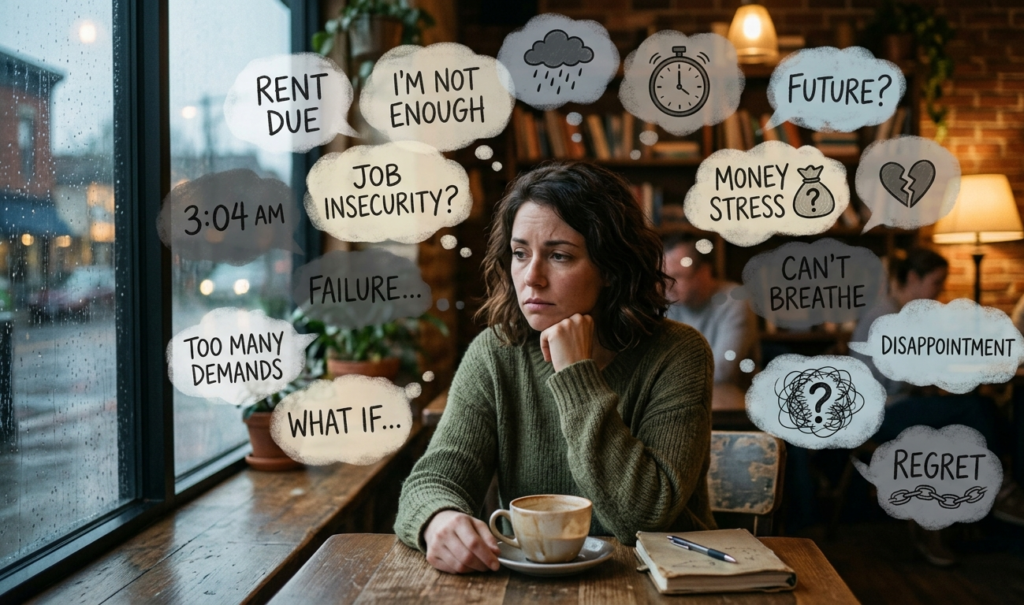
The good news is that even though stress affects your body and mind in deep ways, it can still be managed with awareness and small changes.
Recognizing the signs early allows you to adjust your routine, create space for rest, and reduce unnecessary pressure.
You don’t have to wait until you feel completely overwhelmed before taking action. Sometimes, slowing down, resting properly, and giving your mind a break is enough to start restoring balance and improving how you feel daily.
Since stress often builds from how you start your day, this article explains quick morning habits that transform your day and help improve mental clarity and productivity
What You Can Start Doing Today to Regain Control
Now that you understand how stress affects your body and mind, the next step is not to ignore it but to respond with simple, practical actions that fit into your daily life.
Start by creating small moments of pause during your day,step away from your phone, take a short walk, or sit quietly without any distractions, even if it’s just for a few minutes.
Prioritize sleep by setting a consistent time to rest, and avoid carrying your worries into bed by clearing your mind before you sleep.
Learn to reduce unnecessary pressure by focusing only on what truly matters instead of trying to do everything at once.
Most importantly, don’t keep everything inside,talk to someone you trust or write your thoughts down to release mental tension.
These small steps may seem simple, but when done consistently, they begin to restore balance and gradually reduce the weight stress places on your body and mind.
You can also learn practical stress management techniques from the Centers for Disease Control and Prevention (CDC) here
Common Mistakes to Avoid When Dealing with

One common mistake people make is ignoring early warning signs and assuming stress will pass on its own.
Many continue pushing through exhaustion, believing rest can wait, which only worsens how stress affects your body and mind over time.
Another mistake is relying on distractions like excessive screen time instead of addressing the root cause.
Some people also isolate themselves, keeping everything inside rather than talking it out. Trying to handle everything at once instead of prioritizing tasks adds more pressure than necessary.
Lastly, neglecting sleep and proper rest is a major error, as recovery is essential for both mental clarity and physical health.
In the end, how stress affects your body and mind is not just about feeling tired or overwhelmed. It is a full system response that influences your physical health, mental clarity, and emotional stability at the same time. Many people only notice it when it becomes intense, but the signs are usually there much earlier.Once you truly understand how stress affects your body and mind, you begin to recognize patterns sooner and respond more wisely. That awareness is what helps you move from constant exhaustion toward a more balanced and healthier way of living.
Managing stress also involves eating well, and you can support your energy levels with these affordable healthy meal prep ideas for busy people that are simple and budget-friendly
Frequently Asked Questions
Many people wonder if stress can really make them physically sick, and the answer is yes, because how stress affects your body and mind can weaken your immune system, cause headaches, body pain, and even disrupt digestion over time.
Others ask how to recognize stress, and common signs include constant tiredness, overthinking, irritability, poor sleep, and lack of focus.
Some believe stress will go away on its own, but while short-term pressure may fade, ongoing stress usually requires conscious effort to manage.
A quick way to reduce it is by taking short breaks, practicing deep breathing, or stepping away from stressful situations.
If it begins to affect your daily life, sleep, or overall health consistently, it is important to speak with someone you trust or seek professional support.
Disclaimer
This article on how stress affects your body and mind is intended for informational and educational purposes only. It is not a substitute for professional medical, psychological, or healthcare advice, diagnosis, or treatment.
While the information provided is based on general knowledge and personal insights, individual experiences with stress may vary.
Always consult a qualified healthcare professional or licensed specialist if you have concerns about your mental or physical health.
Do not ignore professional advice or delay seeking help because of something you have read in this article.
