
- Simple Ways to Use Technology to Transform Your Life and Make Money - August 19, 2026
- How to Make Money on Social Media Without Any Followers - July 30, 2026
- 15 Life-Changing Discoveries You Need to Know - July 26, 2026

I never used to think much about my sperm count because, like most men, I assumed fertility was something that would just work naturally when the time came. But everything changed after a close friend opened up to me about his struggle to conceive.
He explained how months had turned into years without success, and after medical tests, he discovered that his sperm count was low.
That moment really made me reflect deeply on my own lifestyle, habits, and health choices because it made me realize that sperm count is not something to ignore or assume is always normal.
It pushed me into learning how to improve sperm count naturally, not just for future family planning, but as part of becoming more responsible about my overall health and well-being.
Your daily habits play a big role in your energy levels, focus, and even long-term health, including reproductive health. This is why starting your day right matters, and you can see practical examples in quick morning habits that transform your day
1. What Sperm Count Means and Why It Matters
Sperm count simply refers to the number of sperm cells present in semen, but its importance goes far beyond that simple definition because it plays a major role in a man’s ability to father a child.
A healthy sperm count increases the chances of successful fertilization, while a low sperm count can make conception difficult, stressful, and emotionally draining for couples.
Many men only discover issues with their sperm count when they start trying for children, which means the problem has often been developing silently for years through lifestyle choices, stress, diet, and environmental exposure.
This is why understanding sperm count early is important, because small daily habits can either support or damage reproductive health over time.
According to Mayo Clinic, male fertility issues can be influenced by lifestyle, health conditions, and environmental factors.
2. What Made Me Start Thinking About My Sperm Count
After that conversation with my friend, I began to look at my own life more honestly and critically.
I realized my sleep pattern was poor, my diet was inconsistent, I rarely exercised, and I was constantly dealing with stress from work and personal responsibilities.
At first, I never connected these habits to sperm count, but the more I learned, the more I understood that they all play a role in reproductive health.
That realization was a wake-up call because it showed me that improving sperm count is not about one single solution but about changing an entire lifestyle gradually and consistently over time.
Improving sperm count is not just about knowing what to eat but also about making it easy to stick to healthy eating daily. That’s why meal planning is important, and you can learn simple methods in affordable healthy meal prep ideas for busy people
3. Everyday Habits That Can Lower Sperm Count
One of the most eye-opening things I discovered is how many everyday habits can quietly reduce sperm count without obvious warning signs.
Poor eating habits, smoking, excessive alcohol consumption, chronic stress, lack of sleep, and being overweight can all affect sperm production over time.
Even things like sitting for long hours, wearing very tight clothing, or exposing the body to constant heat can contribute to lower sperm quality.
Environmental toxins from pollution, plastics, and chemicals also play a hidden role. The concerning part is that most men do these things daily without realizing their long-term impact, which is why awareness is the first step toward improving sperm count.
The Cleveland Clinic explains how sperm production works and factors that can impact sperm count and quality.
4. Eating Better to Improve Sperm Count
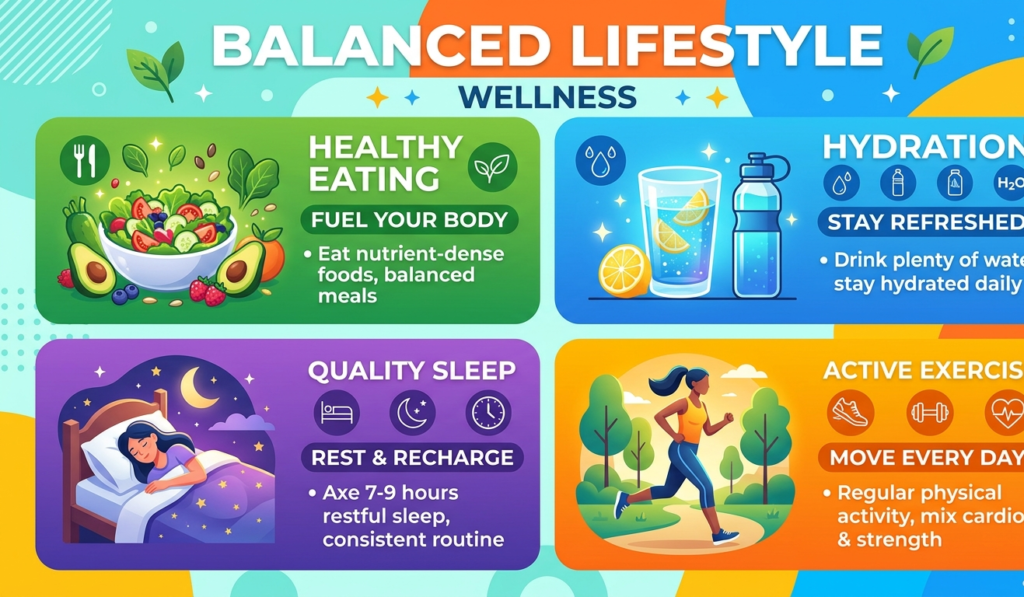
Diet plays one of the most important roles in sperm health because the body needs proper nutrients to produce healthy sperm.
When I started paying attention to my diet, I noticed how much better I felt after reducing processed foods and increasing natural foods like fruits, vegetables, nuts, and lean proteins.
These foods provide essential nutrients such as zinc, vitamin C, and antioxidants, which are important for sperm production and protection.
Over time, I realized that improving sperm count is closely tied to what you eat daily, and even small improvements in diet can make a noticeable difference in energy, hormone balance, and reproductive health.
The World Health Organization highlights that reproductive health is influenced by nutrition, lifestyle, and environmental exposure
5. Exercise and Keeping Your Body Active
Regular physical activity also plays an important role in improving sperm count because it helps regulate hormones, improves blood circulation, and supports overall body function.
When I started exercising moderately, like walking and light workouts, I noticed improvements in my energy levels and stress reduction.
However, I also learned that too much intense exercise or the use of performance-enhancing drugs can have the opposite effect and reduce sperm count.
This made me understand that balance is key, and staying active in a moderate and consistent way is more beneficial than extreme fitness routines.
6. Stress and Its Effect on Sperm Count
Stress is one of the most overlooked factors when it comes to sperm count, yet it has a powerful impact on hormone levels, especially testosterone, which is essential for sperm production.
During times when I was under constant pressure and mental strain, I noticed how it affected my sleep, focus, and overall health.
Since stress has a direct impact on hormone balance and reproductive health, it’s important to control it early. This article on simple ways to reduce stress and anxiety naturally
Long-term stress can slowly reduce sperm quality without obvious symptoms, making it important to find ways to manage it.
Simple changes like resting properly, taking breaks, and avoiding unnecessary pressure can significantly improve both mental health and sperm count over time.
The National Institutes of Health (NIH) provides research showing how stress can affect hormone levels and reproductive health.
7. Sleep and Sperm Count Connection
Sleep is another major factor that affects sperm count because the body repairs itself and regulates hormones during rest.
When I used to sleep poorly or stay up late regularly, I felt tired, unfocused, and generally unbalanced. I later learned that poor sleep can reduce testosterone levels, which directly affects sperm production.
Once I started improving my sleep schedule and aiming for consistent rest, I noticed positive changes in my energy and overall well-being, showing me how closely sleep is connected to reproductive health.
8. Heat Exposure and Sperm Health

One surprising thing I learned is that excessive heat around the testicles can reduce sperm production because they require a slightly cooler temperature to function properly.
Habits like using laptops on the lap, wearing tight underwear, sitting for long periods, or taking frequent hot baths can gradually increase heat exposure.
Once I became aware of this, I made small changes in my daily routine to avoid unnecessary heat, which helped me understand how even simple physical habits can influence sperm count over time.
9. Alcohol and Smoking Effects on Sperm Count
Alcohol and smoking are two major lifestyle habits that negatively affect sperm count because they can damage sperm cells and reduce testosterone levels.
Smoking can harm sperm DNA directly, while alcohol can interfere with hormone balance and reduce overall sperm quality.
When I learned this, it made me more conscious of my consumption habits and encouraged me to cut back gradually.
Although change was not immediate, the long-term benefits for overall health and fertility made it worth the effort.
10. Environmental Toxins and Hidden Risks
Many people don’t realize how much environmental exposure can affect sperm count. Chemicals found in plastics, pesticides, processed foods, and air pollution can slowly build up in the body and interfere with reproductive health.
I started becoming more careful about how I stored food, what I consumed, and how I exposed myself to chemicals in daily life.
These small adjustments helped me understand that protecting sperm count also involves being mindful of your environment and daily surroundings.
11. Sexual Habits and Balance
Sexual activity also plays a role in sperm health, and I learned that balance is important. Too much or too little ejaculation can both affect sperm quality and concentration.
Maintaining a healthy and regular sexual routine helps the body produce fresh and active sperm, which supports better sperm count over time.
This made me realize that reproductive health is not about extremes but about maintaining a steady natural rhythm.
12. Hormones and Sperm Production
Hormones, especially testosterone, are directly linked to sperm production, and any imbalance can affect sperm count significantly.
Poor lifestyle habits, stress, and lack of sleep can disrupt hormone levels without noticeable warning signs.
When I started focusing on improving my lifestyle, I realized how closely hormone health is tied to overall well-being.
Supporting the body with good habits naturally helps maintain better hormone balance and sperm production.
13. Steroids and Quick Fix Risks

I also learned that using steroids or quick performance-enhancing drugs can seriously damage sperm count because they interfere with the body’s natural hormone production.
While they may provide short-term physical results, they can lead to long-term fertility problems.
This helped me understand that natural progress is always safer and more sustainable when it comes to both fitness and reproductive health.
14. Medications and Sperm Health
Some medications can also affect sperm count, which is why it is important to be aware of what you are taking and to consult a healthcare professional when necessary. Not all medications are harmful, but some can have side effects on fertility.
Being informed and asking questions can help prevent unexpected issues related to sperm health.
15. Antioxidants and Protecting Sperm
Antioxidants play an important role in protecting sperm from damage caused by free radicals.
Foods rich in antioxidants, such as fruits, vegetables, and nuts, help improve overall sperm quality and support reproductive health.
Adding these foods into my diet made me realize that improving sperm count is not just about production but also about protection.
16. Consistency Is the Real Key
In the end, I learned that improving sperm count is not something that happens overnight but requires consistency over time.
Small daily habits like eating better, sleeping well, managing stress, and staying active all add up gradually.
Even when progress feels slow, staying consistent makes a real difference in the long run and leads to lasting improvements in both sperm count and overall health.
17. Don’t Wait Until There’s a Problem

One important lesson I learned is that most men only start caring about sperm count when a problem already appears. That is often too late because lifestyle habits have been affecting the body for years before any symptoms show.
Taking action early gives you a better chance of maintaining healthy sperm count and avoiding future stress or complications.
Prevention is always easier than fixing a problem later.
18. Small Changes Matter More Than Big Efforts
Another important realization is that you don’t need dramatic lifestyle changes to improve sperm count.
Small daily improvements like drinking more water, eating a little healthier, sleeping earlier, or reducing stress can slowly build up into big results over time.
The body responds to consistency more than intensity, and that is what makes long-term improvement possible without feeling overwhelmed.
19. Your Overall Health Is Connected to Sperm Count
What surprised me most is how sperm count is connected to overall health. When your body is healthy, your reproductive system naturally benefits as well.
Energy levels, fitness, sleep, mental health, and even confidence all play a role in how your body performs. Improving sperm count is not just about fertility,it is about improving your entire lifestyle and becoming a healthier person overall.
At the end of this journey, I realized that sperm count is not just a medical number but a reflection of your daily habits and lifestyle choices.
Every decision you make,what you eat, how you sleep, how you manage stress adds up over time.
Improving sperm count is possible for most men, but it requires awareness, patience, and consistency.
The earlier you start taking care of your body, the better your long-term results will be, not just for fertility but for your overall quality of life.
Medical Disclaimer
This article is for informational purposes only and should not be considered medical advice. Always consult a qualified healthcare professional for diagnosis or treatment related to sperm count or reproductive health concerns.
