
- Simple Ways to Use Technology to Transform Your Life and Make Money - August 19, 2026
- How to Make Money on Social Media Without Any Followers - July 30, 2026
- 15 Life-Changing Discoveries You Need to Know - July 26, 2026
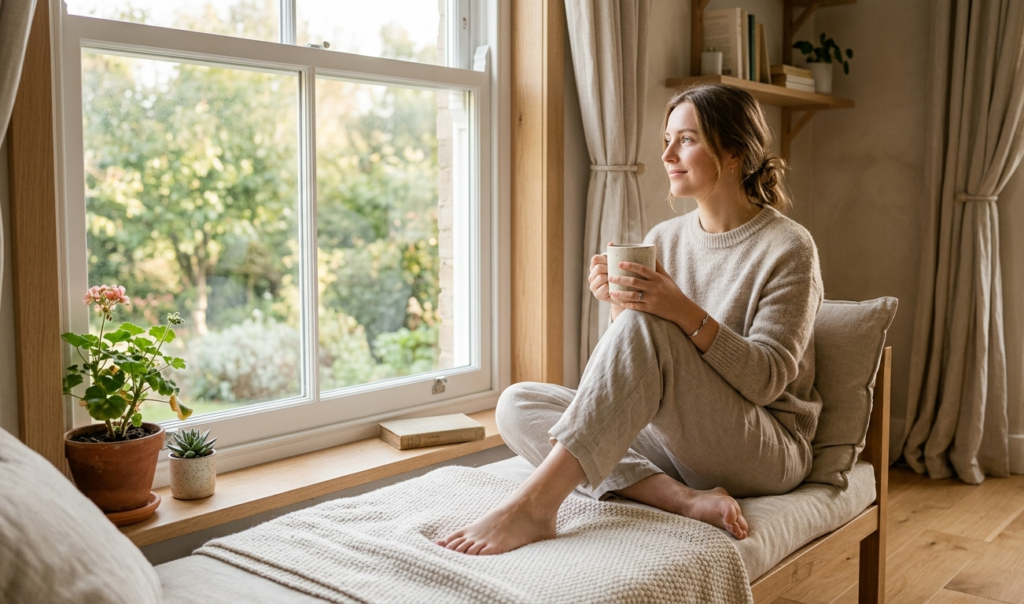
There was a time in my life when everything felt like it was happening too fast for me to keep up. My phone never stopped ringing, responsibilities kept piling up, and even basic daily tasks started to feel heavy.
I remember sitting in silence at night, yet my mind was louder than ever,thinking, worrying, replaying conversations, and imagining problems that hadn’t even happened. Sleep didn’t feel restful anymore, and even when I was physically still, my mind was constantly working.
I kept pushing through, hoping it would pass, but instead, the stress only grew. That was when I realized I needed to look for simple ways to reduce stress, not complicated systems or unrealistic routines, but small changes that could actually fit into real life.
What I discovered over time is that stress doesn’t always require dramatic solutions,sometimes it reduces through small, consistent habits that slowly bring your mind back to balance and clarity.
If you’re trying to create a calmer environment to support your mental well-being, you can also explore these simple DIY hacks to improve your home office setup that make your space more peaceful and productive
Why Learning to Manage Stress Matters
Stress is something everyone experiences, but when it becomes constant, it begins to affect your thoughts, your body, your emotions, and even how you interact with others. You may feel tired without doing much, lose motivation, struggle to focus, or feel mentally overwhelmed by things that used to be simple.
The danger is not stress itself, but when it becomes your normal state. That is why understanding simple ways to reduce stress is so important,it gives you tools to regain control gradually instead of waiting until you completely break down.
You can learn more about how stress affects the body and mind from the World Health Organization, which explains stress and its impact on health in detail
1. Start Your Day With Calm Instead of Chaos
How you begin your morning often sets the tone for your entire day. When the first thing you do is rush, check your phone, or jump straight into responsibilities, your mind immediately enters a stressful mode.
Over time, this creates a constant feeling of pressure before the day even properly begins. But when you start your morning slowly,taking a few quiet minutes to breathe, stretch, or sit in silence,you give your mind space to settle.
This small habit helps you feel more grounded and in control. It is one of the most effective simple ways to reduce stress because it creates calm before the chaos even starts.
Financial pressure is one of the biggest causes of stress, and learning how to build extra income streams can help,check out this guide on side hustles you can start today without spending anything
2. Use Deep Breathing to Calm Your Nervous System
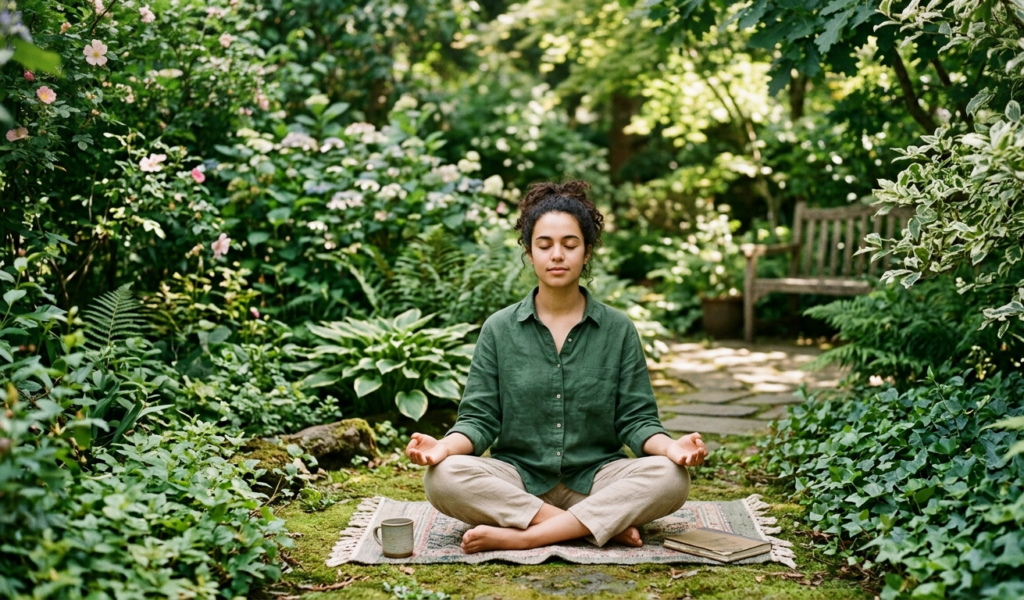
When stress builds up, your body reacts instantly,your breathing becomes shallow, your heart rate increases, and your thoughts begin to race. Deep breathing helps interrupt that cycle by signaling your body to relax.
When you slow your breathing intentionally, you are telling your nervous system that you are safe, even if your mind feels overwhelmed. Over time, this practice becomes a powerful tool for emotional control.
It is one of the easiest simple ways to reduce stress because it requires nothing except your awareness and a few quiet moments.
Research on how breathing techniques help reduce anxiety and calm the nervous system is explained by Harvard Health Publishing
3. Reduce Digital Overload and Mental Noise
We live in a world where the mind is constantly being stimulated,notifications, messages, videos, and endless scrolling. Without realizing it, this constant input creates mental exhaustion. Even when you are resting physically, your brain is still processing information.
Taking intentional breaks from your phone helps reduce this overload. When you disconnect from digital noise, you allow your mind to breathe again.
This is one of the modern simple ways to reduce stress that has become essential in everyday life.
4. Move Your Body to Release Built-Up Tension
Stress does not stay only in your thoughts,it builds up in your body as tension, fatigue, and restlessness.
Physical movement helps release that pressure naturally. You don’t need intense workouts; even walking, stretching, or dancing can help.
Movement improves blood flow, releases mood-boosting chemicals, and clears mental fog. When done consistently, it becomes one of the most natural simple ways to reduce stress because it supports both your physical and emotional well-being at the same time.
5. Write Down What’s Inside Your Mind
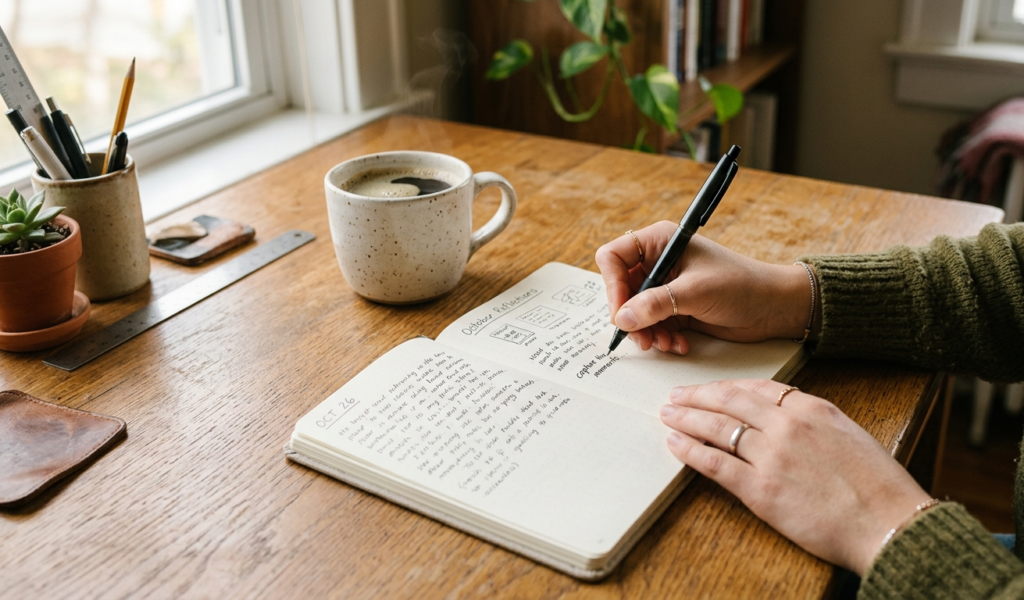
When everything stays in your head, stress feels heavier than it actually is. Thoughts repeat, worries grow, and nothing feels resolved. Writing things down helps release that pressure.
It allows you to see your thoughts clearly instead of being overwhelmed by them. You don’t need structure just honesty. Journaling helps you process emotions and gain clarity, making it one of the most effective simple ways to reduce stress for emotional release.
6. Learn to Set Boundaries and Say No
A lot of stress comes from taking on too much at once,trying to meet expectations, help everyone, and never saying no. While this may feel responsible, it often leads to burnout.
Learning to set boundaries is not selfish; it is necessary for mental health. When you respect your limits and protect your energy, you reduce unnecessary pressure in your life.
This is one of the most important simple ways to reduce stress because it helps you regain control of your time and emotional space.
7. Improve Your Sleep and Recovery
Sleep is one of the most powerful factors in stress management, yet it is often ignored. Poor sleep makes everything feel harder,your emotions become unstable, your focus weakens, and your patience decreases.
A consistent sleep routine helps your body and mind recover. When you rest properly, you become more resilient to stress. Good sleep is one of the foundational simple ways to reduce stress because it restores both mental and physical balance.
If you want to understand how sleep affects stress and emotional health, the Sleep Foundation provides a clear guide on this connection
8. Talk Instead of Keeping Everything Inside

Holding everything inside can make stress feel heavier and more isolating. Talking to someone you trust helps release emotional pressure and gives you a different perspective.
You don’t always need solutions,sometimes, just being heard is enough. Sharing your thoughts helps lighten your mental load and reminds you that you are not alone.
9. Stop Worrying About What You Can’t Control
A large amount of stress comes from trying to control things that are not within your power,future outcomes, other people’s behavior, or uncertain situations.
This creates mental exhaustion because your mind is fighting battles it cannot win. One of the most freeing simple ways to reduce stress is learning to focus only on what you can control: your actions, your decisions, and your present moment. When you let go of the rest, your mind becomes lighter and more peaceful.
10. Make Time for Joy Without Guilt
When life becomes stressful, people often abandon the things that bring them joy. But removing joy from your life only increases emotional pressure.
Happiness is not something you should postpone,it is something you need along the way. Doing things you enjoy, even in small moments, helps reset your emotional state and reminds your mind that life is not only pressure and responsibility.
11. Practice Gratitude to Shift Your Focus
Stress makes your mind focus on what is wrong, missing, or incomplete. Gratitude helps balance that by reminding you of what is still good in your life.
When you intentionally notice small positive things each day, your mindset begins to shift. This doesn’t remove problems, but it reduces their emotional weight and helps you think more clearly.
12. Spend Time in Nature and Quiet Spaces
Modern life keeps the mind constantly active, leaving little room for silence. Nature provides a natural reset. Fresh air, open space, and quiet environments help your mind slow down and relax. Even a short walk outside can reduce mental tension and improve clarity.
Studies on the mental health benefits of spending time in nature are well explained by the American Psychological Association
13. Break the Cycle of Overthinking
Overthinking turns small situations into emotional burdens by repeating the same thoughts over and over again.
Instead of solving problems, it creates anxiety. Learning to notice when you are overthinking and gently redirecting your attention helps break this cycle. Not every thought needs your energy.
14. Create a Simple Structure for Your Day

A completely chaotic day often leads to a chaotic mind. Having a simple routine gives your day direction and reduces confusion. It doesn’t need to be strict,just a basic structure for waking, working, resting, and sleeping helps your mind feel more organized and less overwhelmed.
15. Be Mindful of What You Consume
Food and drinks affect your mental state more than most people realize. Too much caffeine or sugar can increase anxiety, disrupt sleep, and cause emotional imbalance.
Making small changes in your diet helps stabilize your energy and improves your ability to handle stress naturally.
Your diet plays a big role in your mental well-being, and these easy and affordable healthy meal prep ideas for busy schedules can help you stay balanced while reducing stress
16. Be Kinder to Yourself
Sometimes the biggest source of stress is not external,it is internal. Being too hard on yourself creates constant emotional pressure.
You expect perfection, criticize mistakes, and rarely give yourself credit for progress. Learning self-compassion helps reduce this pressure.
When you treat yourself with kindness instead of criticism, your mind becomes calmer and more supportive. This is one of the deepest simple ways to reduce stress because it changes how you relate to yourself every day.
17. Stop Multitasking and Focus on One Thing at a Time
A lot of daily stress doesn’t come from the amount of work you have, but from how you try to handle it all at once.
Multitasking might feel productive, but in reality, it splits your attention, slows you down, and makes your mind feel constantly scattered. When your brain is switching between tasks,messages, work, thoughts, responsibilities,it never gets a chance to fully focus or relax.
This creates mental fatigue even before the day is over. One of the most practical simple ways to reduce stress is to slow down and focus on one task at a time.
When you give your full attention to a single activity, even if it’s small, you complete it more efficiently and with less mental strain.
Over time, this habit trains your mind to stay present, reduces overwhelm, and gives you a stronger sense of control over your day.
18. Avoid Starting Your Day With Heavy Information
Many people unknowingly begin their day by consuming stressful or overwhelming information,news, social media updates, messages, or work-related pressure.
The problem is that your mind is most sensitive right after waking up, and whatever you consume first can shape your emotional tone for the entire day.
Starting your morning with negativity, comparison, or urgency immediately increases stress levels before you’ve even fully settled into the day. One of the underrated simple ways to reduce stress is protecting your mental space in the first hour of your morning.
Instead of diving into your phone, give yourself time to ease into the day slowly. This allows your thoughts to stabilize naturally, helping you approach your responsibilities with a clearer and calmer mindset instead of feeling rushed or emotionally overloaded.
19. Learn to Pause Before Reacting
Stress often becomes worse not because of what happens, but because of how quickly we react to it. When something goes wrong or feels overwhelming, the immediate emotional response is usually tension, frustration, or panic.
Reacting instantly without thinking can escalate stress and create unnecessary emotional conflict. Learning to pause even for a few seconds before responding gives your mind time to process the situation more calmly.
This small habit can change how you handle pressure in everyday life. One of the most powerful simple ways to reduce stress is building this pause into your reactions. Instead of responding out of emotion, you respond with clarity.
Over time, this reduces regret, improves communication, and helps you stay more emotionally balanced even in difficult situations.
20. Accept That Not Every Day Will Be Productive
One of the hidden causes of stress is the constant pressure to be productive all the time. People often feel guilty when they rest, slow down, or have unproductive days, as if every moment must be optimized. But this mindset creates unnecessary emotional pressure and leads to burnout. Not every day will be productive, and that is completely normal.
Rest, recovery, and slower days are part of a healthy life, not a failure. One of the most freeing simple ways to reduce stress is accepting that your value is not based on constant output.
When you allow yourself to have imperfect days without judgment, you remove a large amount of internal pressure. This creates space for balance, emotional recovery, and long-term stability in both your mind and body.
Stress will always be part of life, but it doesn’t have to control your life. The key is not trying to fix everything at once, but building small habits that slowly change how your mind responds to pressure.
These simple ways to reduce stress are not instant solutions, but when practiced consistently, they can completely transform how you feel, think, and live.
Start small, stay consistent, and allow yourself the time to adjust. Over time, life begins to feel lighter not because problems disappear, but because you become stronger and calmer in how you handle them.
