
- Simple Ways to Use Technology to Transform Your Life and Make Money - August 19, 2026
- How to Make Money on Social Media Without Any Followers - July 30, 2026
- 15 Life-Changing Discoveries You Need to Know - July 26, 2026
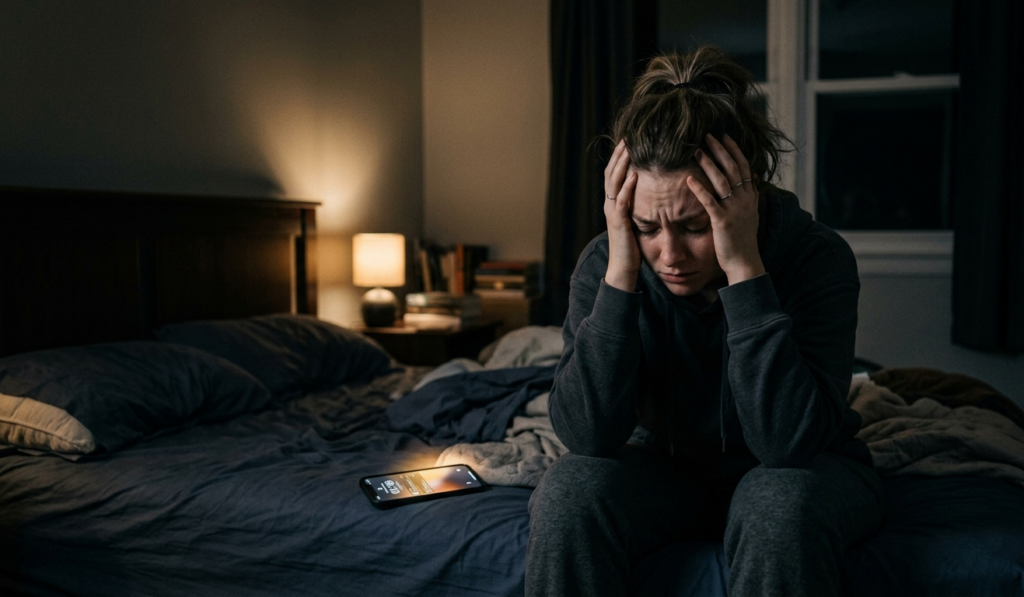
There was a time in my life when my mind never truly rested. I would wake up already feeling pressure in my chest, as if my brain had been running all night without sleep.
Small problems felt huge, simple decisions became stressful, and even when everything around me looked normal, something inside me still felt unsettled.
Many people experience this silently every day. They laugh with others, go to work, reply messages, and continue with life while battling constant overthinking internally.
The truth is that learning ways to calm anxiety without medication has become important for many people who want natural, practical, and realistic ways to feel emotionally balanced again.
While medication helps some individuals, others simply want daily habits that can reduce stress, quiet racing thoughts, and help them feel more in control of their emotions naturally.
If you’re trying to understand how mental pressure builds up in the body and mind, you should also read this related guide on how stress affects your body and mind for a deeper explanation
1. Stop Fighting Every Thought
One of the biggest mistakes people make when dealing with anxiety is trying to force every negative thought to disappear immediately.
The harder you fight anxious thoughts, the stronger they sometimes become. Your mind starts reacting to fear with even more fear, creating a cycle that becomes exhausting over time.
Instead of attacking every thought, it helps to acknowledge your feelings without panic. Telling yourself, “I feel anxious right now, but this moment will pass,” can slowly reduce emotional pressure.
Learning how to manage anxiety without medication often begins with understanding that thoughts are temporary and do not always reflect reality.
Your brain produces thousands of thoughts daily, and not every fearful thought deserves your full attention or belief.
The World Health Organization explains anxiety disorders, their symptoms, and general mental health guidance for global audiences.
2. Spend Time Away From Constant Noise
Modern life is extremely loud mentally. Notifications, social media updates, financial worries, relationship stress, and endless bad news can overstimulate the brain without people realizing it.
Sometimes the nervous system simply becomes overwhelmed from too much information and too little rest.
Taking quiet walks, sitting outdoors in silence, or spending even twenty minutes away from screens can help your mind reset gradually.
Many people searching for ways to reduce anxiety without medication underestimate how important mental quietness truly is.
Your brain was never designed to absorb nonstop stimulation every minute of the day. Giving yourself moments of stillness can help lower mental tension and create emotional breathing space.
Readers learning about anxiety without medication can also benefit from simple ways to reduce stress and anxiety naturally to strengthen daily mental wellness habits
3. Improve Your Sleep Routine

Poor sleep and anxiety often feed each other in dangerous ways. When you do not sleep properly, your emotions become more sensitive, your patience becomes smaller, and your thoughts become harder to control. Then anxiety increases, making it even more difficult to sleep the next night.
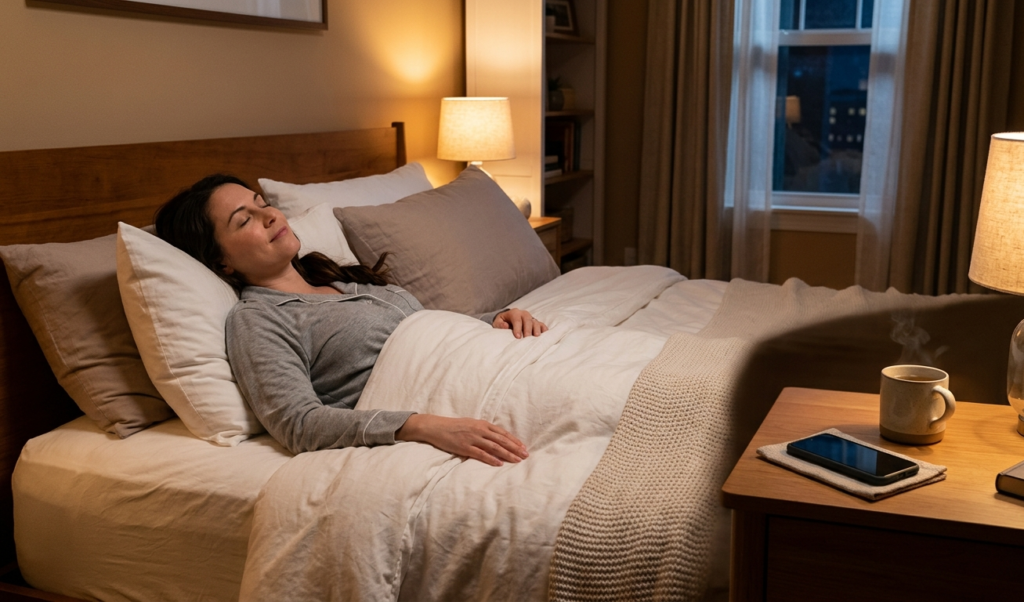
Creating a healthier nighttime routine can significantly improve emotional balance over time. Reducing phone use before bed, avoiding heavy meals late at night, sleeping at consistent hours, and keeping your room calm and quiet can help your nervous system recover.
People trying to overcome anxiety without medication often discover that improving sleep habits creates noticeable changes in mood, concentration, and emotional stability within weeks.
The NHS provides practical self-help tips and lifestyle advice for managing anxiety in daily life.
4. Reduce Caffeine and Overstimulation
Many people do not realize how strongly caffeine affects the body during stressful periods. Coffee, energy drinks, sugary sodas, and strong tea can increase heart rate, shakiness, nervousness, and restlessness, especially for individuals already dealing with anxiety.
Sometimes what feels like severe emotional distress is actually a body reacting to overstimulation.
Reducing caffeine intake for several days may help you feel calmer and more emotionally steady. Managing anxiety without medication often involves paying closer attention to what you consume daily and how your body responds to certain habits.
Small physical changes can sometimes create powerful mental improvements.
The American Psychological Association shares coping strategies and psychological techniques for managing stress and anxiety.
5. Learn the Power of Slow Breathing
Breathing exercises sound simple, but they can have a surprisingly strong effect on anxiety levels. When people become anxious, their breathing often becomes shallow and fast without them noticing.
This sends signals to the nervous system that danger is present, causing the body to remain tense and alert.
Slowing your breathing helps communicate safety to your brain and body. Taking slow deep breaths, inhaling gently, holding briefly, and exhaling longer than you inhale can help calm physical symptoms of anxiety naturally.
One reason many people seek methods for handling anxiety without medication is because breathing techniques are free, accessible, and effective in stressful moments when emotions feel overwhelming.
6. Stop Comparing Your Life to Others
Social media has made comparison a daily habit for millions of people. Every scroll exposes you to someone traveling, succeeding financially, getting married, buying expensive things, or appearing constantly happy.
Over time, comparing your private struggles to someone else’s public highlights can create insecurity, pressure, and anxiety.
People begin feeling as though they are falling behind in life even when they are progressing at their own pace. Learning to reduce anxiety without medication sometimes means reducing how often you measure your life against others.
Your journey is different, your timing is different, and your struggles are different. Constant comparison steals peace from people who are already carrying enough emotional weight internally.
7. Talk to Someone You Trust
Anxiety becomes heavier when everything stays trapped inside your mind. Many people suffer silently because they fear being misunderstood, judged, or seen as weak.
However, emotional isolation often increases mental stress over time. Talking honestly with someone you trust can reduce emotional pressure and remind you that you are not alone in your struggles.
You do not always need someone to solve your problems immediately. Sometimes you simply need someone who listens without criticism.
For many individuals trying to handle anxiety without medication, healthy conversations become one of the most healing parts of recovery because emotional support helps reduce feelings of loneliness and fear.
8. Exercise Even When You Don’t Feel Motivated
Physical movement helps release built-up tension inside the body. Anxiety often creates physical symptoms such as muscle tightness, restlessness, fatigue, headaches, and nervous energy.
Exercise helps the body release stress gradually while improving mood and concentration. You do not need expensive gym memberships or intense workouts to experience benefits.
Walking, stretching, jogging, dancing, skipping rope, or simple home exercises can help improve mental clarity.
Many people who focus on reducing anxiety without medication notice that regular movement helps them feel calmer emotionally and sleep better physically.
Small consistent exercise routines can slowly create noticeable improvements in mental health.
9. Write Down Your Thoughts
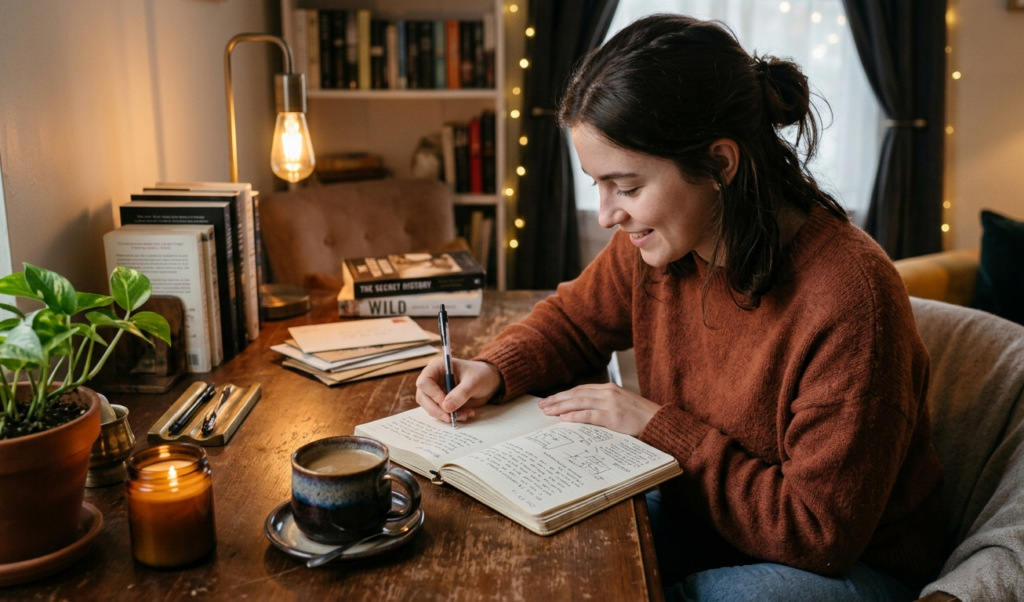
Sometimes anxiety grows because thoughts remain crowded inside the mind with no release. Journaling helps organize emotions and reduce mental overload.
Writing your worries, frustrations, fears, or even daily experiences can help you understand your emotional patterns more clearly.
Many people discover that problems feel less overwhelming once they are written down instead of constantly repeating inside the brain.
Managing anxiety without medication often includes finding healthy emotional outlets, and writing is one of the simplest ways to process difficult feelings privately and honestly.
You do not need perfect writing skills to benefit from expressing yourself on paper.
10. Protect Your Mind From Constant Negativity
The internet constantly exposes people to fear, arguments, violence, bad news, and stressful information.
While staying informed is important, consuming negativity nonstop can slowly damage emotional well-being.
Your brain absorbs more than you realize, especially during stressful periods. Limiting exposure to disturbing content, avoiding doom scrolling late at night, and taking breaks from toxic online environments can help reduce mental exhaustion.
People working on improving anxiety without medication often notice that protecting their mental environment helps them feel emotionally lighter and less overwhelmed throughout the day.
11. Practice Gratitude During Difficult Times
When anxiety becomes intense, the mind naturally focuses on problems, uncertainty, and fear.
Gratitude helps shift attention toward what is still good, stable, and meaningful in life. This does not mean pretending difficulties do not exist.
It simply means refusing to allow problems to become the only thing your mind notices. Appreciating simple things such as supportive people, good health, shelter, food, peaceful moments, or opportunities for growth can improve emotional balance gradually.
Learning to manage anxiety without medication involves training your mind to notice hope alongside difficulty instead of becoming completely consumed by fear.
12. Remember That Healing Takes Time
One of the hardest parts of anxiety is expecting yourself to recover quickly and becoming frustrated when difficult days return.
Healing is rarely perfect or immediate. Some days will feel peaceful while other days may still feel emotionally heavy. That does not mean you are failing.
Progress often happens slowly through consistent habits repeated over time. Being patient with yourself is an important part of emotional growth.
People trying to overcome anxiety without medication should remember that small improvements matter. One better night of sleep, one calmer reaction, one honest conversation, or one peaceful moment is still progress worth appreciating.
You can improve your focus and workflow by learning how to reduce screen time without losing productivity in this helpful guide
13. Spend More Time Around Nature
Human beings were not designed to spend every hour indoors staring at screens, surrounded by noise, pressure, and nonstop distractions.
Nature has a calming effect on the nervous system that many people underestimate.
Sitting outside in the evening, walking near trees, listening to rainfall, feeling fresh air, or simply observing the sky can help slow racing thoughts and reduce emotional tension.
These quiet moments allow the brain to rest from constant stimulation and pressure.
Many individuals trying to cope with anxiety without medication discover that spending more time outdoors improves their mood, lowers stress levels, and helps them feel mentally refreshed.
Nature creates a sense of calm that modern lifestyles often remove from everyday life.
14. Learn to Say No Without Feeling Guilty
Many people experience anxiety because they constantly carry responsibilities that emotionally exhaust them. They say yes to every request, help everyone around them, and ignore their own mental limits because they fear disappointing others.
Over time, this creates emotional burnout, resentment, and overwhelming stress.
Learning healthy boundaries is important for emotional stability. Saying no does not make you selfish, rude, or uncaring. It simply means you understand your personal limits and want to protect your peace.
One important part of managing anxiety without medication is recognizing that you cannot solve every problem or carry everyone’s expectations at the expense of your own mental health.
Protecting your energy is necessary, not selfish.
15. Focus on One Day at a Time
Anxiety often grows stronger when the mind spends too much time worrying about the future.
Thoughts about failure, financial struggles, relationships, career pressure, or uncertainty can quickly become overwhelming when your brain tries to solve everything at once.
Many people lose peace because they mentally live months or years ahead instead of focusing on the present moment.
Breaking life into smaller manageable pieces can reduce emotional pressure significantly. Instead of asking yourself how you will fix your entire future, focus on what you can do today.
People learning to handle anxiety without medication often discover that small daily progress feels less overwhelming than carrying the weight of every future problem at once.
One peaceful day is built through small manageable steps.
16. Be Kinder to Yourself Internally
Sometimes the loudest source of anxiety is not other people but the harsh voice inside your own mind.
Many individuals constantly criticize themselves for mistakes, failures, delays, or imperfections.
They speak to themselves with a level of harshness they would never use on someone they care about. Negative self-talk slowly damages confidence and increases emotional stress over time.
Learning self-compassion can help reduce internal pressure and create healthier emotional balance.
Managing anxiety without medication becomes easier when you stop treating yourself like an enemy and begin treating yourself with patience, understanding, and kindness.
Growth takes time, mistakes are part of life, and no human being has everything perfectly figured out.
Living with anxiety can feel exhausting because it affects both the mind and the body at the same time.
It can make ordinary situations feel overwhelming and turn small worries into constant mental pressure. However, calming your mind naturally is possible through healthy habits, emotional awareness, rest, support, and patience with yourself.
Learning ways to reduce anxiety without medication does not mean your life becomes perfect overnight, but it can help you feel more emotionally balanced, mentally clear, and physically calm over time.
Small daily choices repeated consistently can slowly transform how you think, feel, and respond to stress, helping you regain peace little by little.
Disclaimer
This article is for informational and educational purposes only and should not be considered medical advice, diagnosis, or treatment.
Everyone experiences anxiety differently, and while these tips may help improve mental well-being naturally, they may not work the same for everyone.
If your anxiety becomes severe, persistent, or begins affecting your daily life, it is important to seek help from a qualified healthcare professional or mental health specialist.
For additional health-focused tips, read this post on how to improve sperm count naturally and boost fertility
